
Rabbi is a date variety named in Iranian research papers, and it did not appear on the Malaysian wholesale price list we checked. That makes finding a Rabbi dates supplier a slightly different job from buying Ajwa or Medjool. You need to know what the variety is, where it comes from, and which questions sort a careful supplier from a vague one. This guide covers all of that, using published studies for the variety and one Malaysian wholesaler's price list, checked in November 2026, for the money side.
What Rabbi dates are
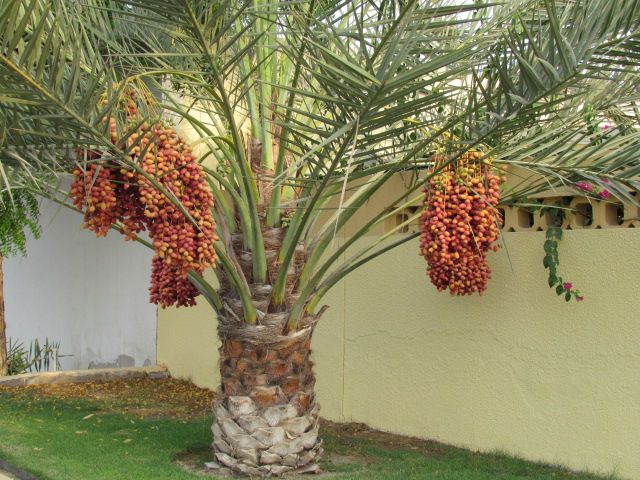
A 2024 review of date fruits in the journal Foods lists Rabbi among the economically important date cultivars. It describes the fruit as dark brown or red, long, thin, fleshy and semi-dry.
Two Iranian studies place it in Iran. A 2019 paper from Zahedan, describing dates in Sistan and Baluchestan province, says "Mazafati and Rabbi are the dates that have economic value." A 2025 study in Scientific Reports names Rabbi among the date types of Kerman province, and its samples for pesticide screening, Rabbi among them, came from the towns of Kahnoj, Bam and Jiroft.
One detail is worth knowing before you talk to anyone. The same 2024 review gives Rabbi's origin as Iraq, while the two Iranian papers describe it growing in Iran. So if a supplier tells you Iran, that matches the field studies cited here. If they say Iraq, that matches the review table. Either way, ask them to put the country of origin on the invoice.

How Rabbi compares with other Iranian dates
Malaysia has no commercial date-growing trade, so any Rabbi you buy here is imported. The table puts Rabbi next to three other Iranian varieties.
| Variety | Origin | Description |
|---|---|---|
| Rabbi | Sistan and Baluchestan and Kerman provinces in Iranian studies; Iraq in the 2024 review | Dark brown or red, long, thin, fleshy, semi-dry |
| Mazafati | Kerman province, Iran | Dark, very soft, high moisture; needs refrigeration |
| Mariami | Iran | Dark, semi-dry, chewy |
| Sayer (Stamaran) | Khuzestan, Iran | Amber-brown, semi-dry |
On paper, Rabbi sits closer to Mariami than to Mazafati. Both are described as semi-dry. Mazafati is the very soft one that needs refrigeration, and it is cold-stored and sold all year round. For more on which dates come from Iran, our post on Iranian dates and the health evidence has a short section on varieties, and there is a separate piece on Mazafati dates.
Why a Rabbi dates supplier is harder to find
The Malaysian wholesaler list we checked in November 2026 had 57 listings filed under date categories. None of them was Rabbi. Of the Iranian varieties in the table above, only Mariami and Mazafati appeared on it: Mariami in several grades, and Mazafati as a rotab pack.
That does not mean nobody in Malaysia stocks Rabbi. It means you may need to ask more than one supplier, and you should expect to confirm the variety by name rather than pick it off a menu. When a quote arrives, check that the word Rabbi appears on it, not only "Iranian dates" or "semi-dry dates".
What grades and prices look like for a similar Iranian date
With no Rabbi listing to price, the nearest guide in that list is Mariami, another dark, semi-dry Iranian date. Here are its in-stock packs, plus the Mazafati rotab pack for contrast.
| Pack name | Price | Weight | Per kg | Stock |
|---|---|---|---|---|
| Mariami A Normal 2026 [5kg] | RM75 | 5kg | RM15.00 | In stock |
| Mariami AA 2026 [5kg] | RM129 | 5kg | RM25.80 | In stock |
| Mariami AAA VIP 2026 [5kg] | RM148 | 5kg | RM29.60 | In stock |
| 1kg Mariami AAA | RM40 | 1kg | RM40.00 | In stock |
| Rotab Mazafati AAA 12pkt * 600gm | RM86 | 7.2kg | RM11.94 | Out of stock |
Look at the spread inside one variety. Mariami runs from RM15 a kilo for A Normal to RM29.60 for AAA VIP in 5kg packs, nearly double. The 1kg AAA pack costs RM40 a kilo. So grade and pack size alone moved the Mariami price from RM15 to RM40 a kilo.
That matters when you compare Rabbi quotes. Grades such as A, AA, AAA and Jumbo are each importer's own size sorting, not an international standard. One supplier's AAA Rabbi may be another's AA. Ask each supplier what their grade means, and ask for a sample of the exact grade you will be buying.
Questions to put to any Rabbi dates supplier
These are the questions that turn a vague offer into one you can check.
| Ask | Why it matters |
|---|---|
| Is it named Rabbi on the invoice? | The variety was absent from the wholesale list we checked, so confirm it by name |
| Which country is it from? | Studies place Rabbi in Iran; one review table says Iraq |
| What does your grade mean? | Grades are each importer's own size sorting |
| What is the price per kilo? | Grade and pack size change the per-kilo price, as the Mariami rows show |
| Is it in stock now? | 34 of the 57 date listings we checked were out of stock that day |
| Who imports it? | MAQIS sets out importer registration and permits |
Import papers and quality checks
If you buy straight from an importer, it helps to know what their side involves. MAQIS, Malaysia's quarantine and inspection department, asks anyone registering as an importer, exporter or agent to complete its registration conditions form first. They then start in the SPEED system and apply for MAQIS permits through the Dagang Net ePermit site. Its food page adds that the registration steps differ for a company and for an import agent. These pages cover food imports in general, not dates in particular.
The FAO handbook on date palms adds the exporter's side. It says every shipment should be documented in detail, with a phytosanitary certificate stating the fruit is healthy. That certificate is issued by the relevant authorities and certifies the fruit is not infected by pests or diseases. It also notes that fruit is sometimes stored for up to several months before shipment, so each consignment needs to be sampled to make sure its quality has not changed.
For a reseller, the practical version is short. Ask the Rabbi dates supplier who imported the stock you are being offered, and ask to see the sample before the bulk order, not after.
Timing your order
Demand for dates in Malaysia peaks before and during Ramadan. Hari Raya, weddings (hantaran), kenduri and umrah gifts are other peaks. Gulf and Middle-East dates are mostly harvested from late summer to autumn, roughly August to November, and new-season stock reaches Malaysia some weeks after that.
If your Rabbi order is for one of those peak dates, agree the delivery date in writing when you confirm the order.
Quick answers
Are Rabbi dates soft or dry?
The 2024 Foods review describes them as semi-dry, fleshy, long and thin, dark brown or red.
Where do Rabbi dates come from?
Iranian studies place them in Sistan and Baluchestan province and in Kerman province. The 2024 review table lists Iraq. Ask your supplier to state the origin on the invoice.
What do Rabbi dates cost in Malaysia?
The wholesale list we checked in November 2026 had no Rabbi listing, so there is no price to quote from it. For a similar dark, semi-dry Iranian date, Mariami ran from RM15 to RM40 a kilo across its in-stock packs.
More about this site is on the About Us page and the contact page.