
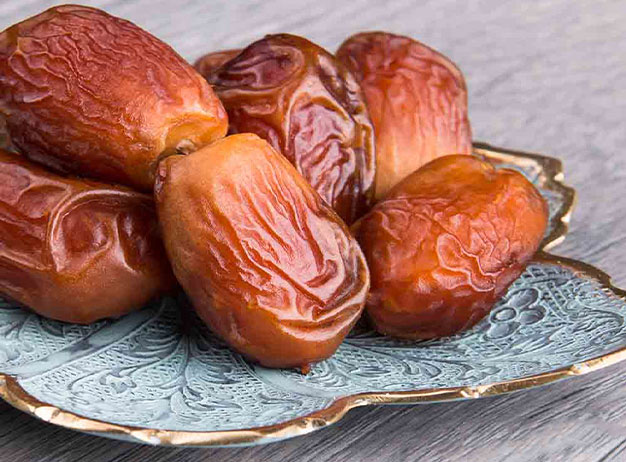
Kedai Kurma: A Haven for Date Enthusiasts
What makes a kedai kurma worth returning to
Kedai Kurma just means "date shop" in Malay, but not every one lives up to the name. Some stock three tired varieties in dusty boxes; others turn over stock fast enough that you can taste the difference. This post covers what actually separates a good kedai kurma from a mediocre one, and what to check before you commit to a bulk order.
Turnover matters more than the shopfront
Dates dry out and lose their texture the longer they sit on a shelf. A kedai kurma that moves stock fast — restocking every few weeks rather than once a season — is more likely to hand you a date that's still soft and glossy rather than one that's gone tough at the edges. Ask when a batch came in if the shop doesn't already display it; a good seller knows the answer without checking.
Storage conditions you can actually see
Dates kept in an air-conditioned unit or a sealed, cool display case hold their moisture far better than stock left out in open bins near a shop entrance. Malaysia's humidity works against dried fruit two ways — too much moisture invites mould, too little airflow lets sugar crystallise on the skin. A shop that keeps its dates properly stored is one detail that separates a serious kedai kurma from a stall that just happens to sell dates.
Knowing the variety on offer
Medjool
Medjool is the variety most shoppers ask for by name — large, soft, and sweet enough to eat on its own. A wide variety of dates sold online now includes Medjool alongside less familiar names, and a shop that can explain the difference is worth the extra ringgit.
Deglet Noor
Deglet Noor is drier and firmer, with a lighter, slightly nutty flavour. It holds its shape well in cooking, which is why it turns up in savoury dishes and baking more often than the softer varieties.
Zahidi
Zahidi has a golden colour and a firm, buttery bite. It's a common choice for smoothies and energy bars because it blends without turning the whole thing into syrup.
Questions worth asking before a bulk order
Origin and harvest year affect both price and shelf life, so it's worth asking a kedai kurma directly rather than assuming. A shop that can tell you where a batch was grown, roughly how long ago it was harvested, and how it's been stored since arrival is one that actually knows its stock — not just reselling whatever a supplier dropped off. Quality standards in global date markets cover exactly this kind of sourcing detail, and a shop that can speak to it confidently is a good sign for anything you buy there, not just the variety you asked about.
Conclusion
Kedai Kurma is a date shop first and a cultural fixture second — the shops worth returning to earn that reputation through fast turnover, real storage, and staff who know their varieties, not through atmosphere alone. Check those three things before your next bulk order, whether you're buying Medjool for a gift box or Zahidi for the kitchen.