
Olive oil turns up in most Mediterranean and Middle Eastern kitchens for a straightforward reason: it's a liquid fat that stays stable at room temperature and carries flavour instead of flattening it. A single tablespoon (about 13.5g) has roughly 119 kcal, 13.5g of fat — mostly the monounsaturated kind — plus small amounts of vitamin E (1.9mg) and vitamin K (8.1mcg). No carbohydrate, no protein, no fibre; it's fat and flavour compounds, nothing else.
Extra virgin vs the rest
"Extra virgin" means the oil was pressed mechanically, without heat or chemical solvents, and tested below a set acidity level. "Virgin" is the same process with a slightly higher acidity allowance. "Light" or "pure" olive oil is refined and then blended back with a little virgin oil for flavour — a higher smoke point, a much flatter taste. Pengedar Kurma and most Middle Eastern wholesalers stock extra virgin as the default, since that's what the region actually cooks with.
Reading the label
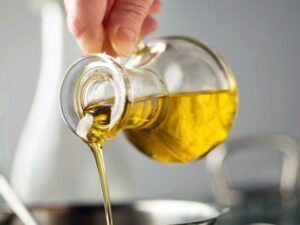
Colour tells you almost nothing — green oils aren't automatically better than golden ones, that comes down to olive variety and harvest time. What matters is the harvest date, not just a "best before" date: olive oil is a fresh fruit juice, and it starts losing aroma within 18-24 months of pressing, faster once opened. Buy a size you'll finish in a couple of months, and keep the bottle away from direct light; a dark glass or tin bottle holds flavour longer than a clear one.
Olive oil and dates together
Bread dipped in olive oil with a few dates on the side is a genuinely old breakfast pairing across the Levant and North Africa — the oil for richness, the dates for sweetness, nothing engineered about it. It works just as well on an iftar plate: dates to break the fast quickly, olive oil and bread alongside. Neither ingredient needs a marketing claim to earn its place at that table; the combination has outlasted whatever came after it.
See our date range or the About Us page for sourcing, and Contact Us for wholesale enquiries.